Rehearsing the Rescue: A Raleigh Guide to Practice Mistakes You Can Recover From
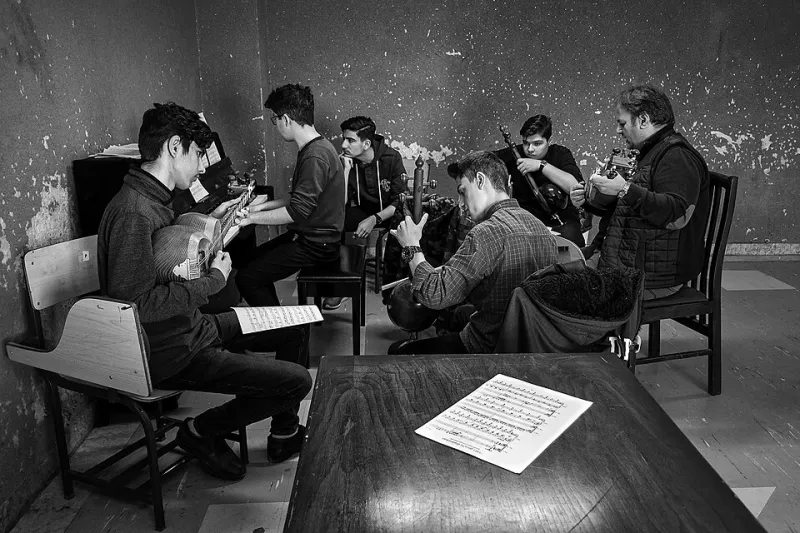
Photo: Mehrdadvahed, CC BY-SA 4.0, via Wikimedia Commons
A clean run through a piece feels great. The tempo holds, the notes land, and the ending arrives without a scrape. But any Raleigh Music Academy teacher will tell you that a flawless practice room is not the same as a resilient performance. The skill that saves a live moment is not avoiding every mistake. It is recovering from one without losing the pulse, the phrase, or the point of the song.
That is why a little deliberate imperfection belongs in practice. Not sloppy, careless repetition. Not a shrug at wrong notes. Instead, controlled mistakes made on purpose, with a plan for getting back on track. Call it rehearsing the rescue.
Why Practicing 'Badly' Builds Better Musicians
When students only practice the version they hope to deliver, they rehearse one narrow path. If a note cracks or a finger lands late, the brain treats it as an emergency. The hands tighten, the breath stops, and the next four measures become collateral damage.
Controlled mistakes widen the path. A student who has practiced continuing after a planned wrong note learns that the music can survive a bump. A student who has played a phrase at a wobbly tempo learns to listen for the next stable landing point instead of freezing on the error. The goal is not to sound bad. The goal is to build options.
This matters for recital season especially. Raleigh students who spend weeks chasing a perfect run can arrive at the stage with a fragile kind of preparation. One surprise and the whole performance feels ruined. A few minutes of deliberate wobble during the practice week can make the real moment feel less like a tightrope and more like a familiar room.
Drill 1: The Wobbly Tempo Walk
Pick a short passage, maybe four to eight measures, and set a metronome at a comfortable speed. Play the passage normally for one round. Then, on the next round, intentionally let the tempo drift a little at a marked spot: slightly slower for one bar, then back to the click. On the following round, drift slightly faster for one bar, then settle again.
The point is not to ignore the metronome. The point is to practice noticing a wobble and steering back into the groove. Keep the phrase moving. If you get lost, do not restart from the top. Find the next downbeat and rejoin.
For younger students, this can be a game: the metronome is the sidewalk, and the student is practicing stepping back onto it after a small sidestep. For adult learners, it is a useful reminder that tempo is a living thing, not a trap. A live performance may speed up with nerves or drag in a quiet room. Practicing the return is more useful than pretending the wobble will never happen.
Drill 2: The Planned Clam
Choose one spot in a piece and decide, ahead of time, that you will play a wrong note there. Not a random panic mistake. A planned one. Then continue as if nothing happened.
The first few times, this feels strange. That is the point. The student is practicing the pause between the mistake and the recovery. Keep the pulse going. Keep the face calm. Finish the phrase. If you are working with a practice partner, they can listen for whether the music kept breathing after the planned clam.
This drill is especially helpful for students who stop and restart every time something goes wrong. Restarting is a useful practice tool in small doses, but it can become a habit that never teaches forward motion. The planned clam gives the student a safe way to rehearse the exact skill a live audience needs: keep going, then clean it up later.
Drill 3: Dynamic Exaggeration
Take a phrase and play it much softer than written, then much louder than written. Make it almost comically extreme. The soft version may be airy. The loud version may be ugly. That is fine. The exercise is about control and recovery, not beauty.
After two or three exaggerated passes, return to the written dynamics. Many students find that the original markings suddenly feel easier and more intentional. They have stretched the expressive range, so the actual dynamic plan no longer feels like a narrow ledge.
This drill also helps with performance nerves. A student who has practiced the phrase at an exaggerated volume is less likely to panic when a live room changes the way the instrument feels. The ears have already visited the extremes. The written version feels like home base.
How to Keep Deliberate Mistakes Useful
A few guardrails keep this from turning into messy practice. First, decide the mistake before you play. The exercise should be controlled, not chaotic. Second, keep the pulse. The recovery is the skill. Third, limit the drill to a few minutes, then return to clean, careful practice. Fourth, use it earlier in the preparation cycle, not in the final run-through before a Raleigh student performance. The week of a recital is for confidence and consistency, not for introducing new chaos.
Parents can help by keeping the tone light. If a child is doing a planned clam drill, the adult's job is not to correct every note. It is to listen for whether the student kept going. A little laughter here is useful. Perfectionism thrives in silence and seriousness.
The Payoff on Raleigh Stages
At Raleigh Music Academy, students perform in many settings: studio classes, community stages, school talent shows, and relaxed recitals. The common thread is that live music is variable. A bench feels different. A room sounds different. A hand shakes a little. The musicians who look calm are not always the ones who never miss. They are often the ones who have practiced what to do next.
Deliberate imperfection is not an excuse to skip the hard work. It is a companion to it. Clean practice builds the piece. Controlled wobble builds the performer. A student who has rehearsed the rescue can walk onto a stage knowing that one wrong note does not end the story. The song keeps going, and so do they.