Raleigh Music Academy Lessons, stages, and steady progress for every age.

Raleigh Music Academy

Lessons, stages, and steady progress for every age.

Latest Articles

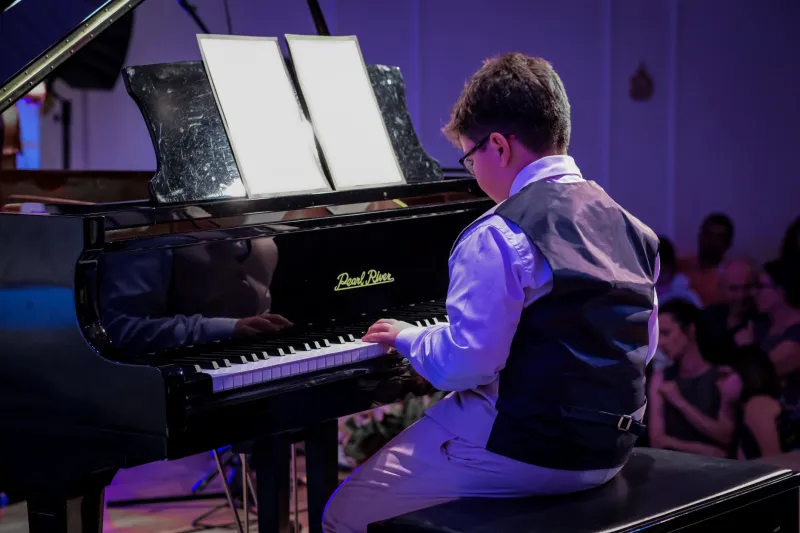
The Mic Before the Music: Raleigh Recital Students and the Art of the Thirty-Second Intro
Student Performances

The Mic Before the Music: Raleigh Recital Students and the Art of the Thirty-Second Intro

A short spoken introduction can turn a recital from a nervous walk to the piano into a moment of genuine ownership. Here’s how Raleigh families can coach the thirty-second intro—what to say, what to skip, and how to rehearse it in the final two weeks without turning the stage into a lecture hall.

Your Starter Instrument Isn’t a Life Sentence: How Raleigh Players Know It’s Time to Level Up
Practice & Progress

Your Starter Instrument Isn’t a Life Sentence: How Raleigh Players Know It’s Time to Level Up

Wondering whether your student has outgrown that first flute, violin, or trumpet? Here’s a practical, low-pressure way for Raleigh families and adult learners to decide when a step-up instrument is worth the money — and when it’s just an expensive distraction.

The Pause-and-Pocket Method: A Raleigh Practice Fix for the Measure That Won’t Cooperate
Practice & Progress

The Pause-and-Pocket Method: A Raleigh Practice Fix for the Measure That Won’t Cooperate

When one stubborn measure keeps derailing a piece, starting from the top again rarely fixes it. This lesson-room method helps Raleigh students isolate the trouble spot, slow it down, and rebuild the passage without adding practice time.

One Song, Two Chairs: The Raleigh Duet Experiment That Makes Practice Stick
Practice & Progress

One Song, Two Chairs: The Raleigh Duet Experiment That Makes Practice Stick

A single shared duet can do more for listening, timing, and confidence than a calendar full of separate assignments. Here is a simple month-long plan for Raleigh families and adult learners who want connection and accountability without adding another instrument or another obligation.

Neighbors, Headphones, and Half-Muted Scales: Quiet Practice That Still Builds Skill in Raleigh
Practice & Progress

Neighbors, Headphones, and Half-Muted Scales: Quiet Practice That Still Builds Skill in Raleigh

Daily practice does not have to mean daily apologies. For Raleigh families in apartments, townhomes, and shared-wall houses, a few well-chosen quiet tools can protect technique, neighborly goodwill, and the practice habit itself. Here is how to build a quieter setup that still prepares students for lessons and recital stages.

The Lobby Huddle: A Ten-Minute Recital Follow-Up That Builds Real Confidence
Student Performances

The Lobby Huddle: A Ten-Minute Recital Follow-Up That Builds Real Confidence

The applause fades fast, and the way a student remembers a recital is often shaped in the ten minutes right after they leave the stage. Here's a simple lobby-side debrief ritual for Raleigh families: three easy questions, one win written down, and a single next step worth scheduling.

The Drive-Home Download: A Raleigh Family’s Simple Post-Lesson Ritual
Practice & Progress

The Drive-Home Download: A Raleigh Family’s Simple Post-Lesson Ritual

A short, calm conversation on the ride home can turn a music lesson into a focused week of practice. This Raleigh-friendly routine helps families and adult learners capture one clear goal without turning the car into a courtroom.

Practice & Progress

Practice Partners, Not Rivals: A Raleigh Adult Learner’s Guide to Low-Stakes Accountability

Adult music lessons go better with a little friendly structure. Here’s how Raleigh learners can pair up for short weekly check-ins, shared goals, and gentle momentum—without turning practice into a scoreboard.

The Off-Key Living Room: A Raleigh Family's Monthly Jam Night Playbook
Practice & Progress

The Off-Key Living Room: A Raleigh Family's Monthly Jam Night Playbook

A monthly family jam night is not a recital. It is a low-pressure habit that builds listening, rhythm, and confidence, even when the chords are wobbly. Here is a practical Raleigh playbook for three-chord songs, age-appropriate roles, and small-apartment volume control.

The Weekly Listen-In: A Low-Screen Ritual That Sharpens Student Ears
Practice & Progress

The Weekly Listen-In: A Low-Screen Ritual That Sharpens Student Ears

A short weekly listening ritual can do more for practice than another practice app. Here is how Raleigh families can choose recordings, listen together in ten-minute bursts, and connect what students hear to what they play.

Test Drive Before You Pay: A Raleigh Buyer’s Checklist for Secondhand Band Instruments
Practice & Progress

Test Drive Before You Pay: A Raleigh Buyer’s Checklist for Secondhand Band Instruments

A secondhand flute, clarinet, trumpet, or saxophone can be a smart first step for a Raleigh family or adult beginner — if you inspect it with a plan. This guide covers a calm in-person check, the questions worth asking, and the first-repair budget that keeps a bargain from becoming a costly detour.

The Living Room Conservatory: Seven No-Screen Music Games for Raleigh Families
Practice & Progress

The Living Room Conservatory: Seven No-Screen Music Games for Raleigh Families

Rainy afternoons indoors do not have to mean drifting toward screens. These seven quick music games use household items, clapping, singing, and listening to reinforce real lesson skills for kids and adult beginners alike.

Two Kids, One Practice Room: A Raleigh Family’s Guide to Sharing Musical Space
Practice & Progress

Two Kids, One Practice Room: A Raleigh Family’s Guide to Sharing Musical Space

When two young musicians share a home, practice can turn into a turf battle over the same corner, the same hour, and the same parental attention. This guide lays out a calm, practical system for Raleigh families—schedules, noise fixes, turn-taking rituals, and fair encouragement—so siblings can share the sound without turning it into a showdown.

The Repertoire Roundtable: Helping Raleigh Students Choose Music They’ll Rehearse
Student Performances

The Repertoire Roundtable: Helping Raleigh Students Choose Music They’ll Rehearse

A short repertoire meeting can turn practice from a nightly negotiation into a plan students actually own. Here’s how Raleigh families and adult learners can use that conversation to balance skill, taste, and stage goals.

When Progress Goes Quiet: A Raleigh Family’s Field Guide to the Plateau Months
Practice & Progress

When Progress Goes Quiet: A Raleigh Family’s Field Guide to the Plateau Months

The weeks when practice stops sounding better are not a detour from learning—they’re part of it. Here’s how Raleigh families can tell a normal plateau from a signal that something needs a tune-up.

Three Songs, One Phone: Recording an Honest First Demo
Student Performances

Three Songs, One Phone: Recording an Honest First Demo

A first demo doesn't need a studio — just a quiet room, a phone, and three songs that show where you are. Here's how teen and adult students can record, listen, and share a honest snapshot of their progress.

The Seasonal Instrument Check: Small Monthly Habits That Keep Student Gear Ready
Practice & Progress

The Seasonal Instrument Check: Small Monthly Habits That Keep Student Gear Ready

Raleigh's humidity swings can make a reliable instrument feel unpredictable. A ten-minute monthly once-over helps students catch small issues before they turn into repair bills or stalled practice.

The Parent’s Music Teacher Interview: 12 Questions Raleigh Families Forget to Ask
Practice & Progress

The Parent’s Music Teacher Interview: 12 Questions Raleigh Families Forget to Ask

Most families compare music teachers by price and schedule, then hope for the best. These 12 questions dig into teaching style, practice habits, studio policies, and the Raleigh-specific details that make a teacher a real fit for your child.

Adults Deserve a Recital, Too: Making Raleigh’s Stages Feel Welcoming for Late-Start Musicians
Student Performances

Adults Deserve a Recital, Too: Making Raleigh’s Stages Feel Welcoming for Late-Start Musicians

Adult beginners often assume performance is a childhood ritual, not something for them. In Raleigh, a small, supportive stage can give grown-up learners the same focus and confidence that recitals give kids.

Two Instruments, One Calendar: A Family Guide to Expanding Musical Study Without Overloading It
Practice & Progress

Two Instruments, One Calendar: A Family Guide to Expanding Musical Study Without Overloading It

Adding a second instrument can energize a student or quietly drain the first one. This practical guide walks families and adult learners through readiness signs, smart pairings, scheduling trade-offs, and realistic costs so the decision supports steady progress instead of burnout.