A Holiday Gift That Practices Back: Planning Music Lessons for a Raleigh Family in 2026
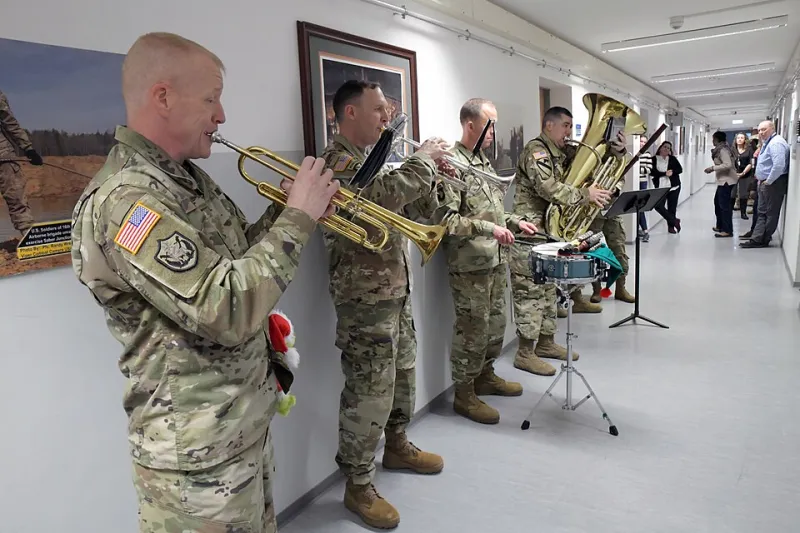
Photo: U.S. Army USArmyEURAF by Robert Sekula, Public domain, via Wikimedia Commons
Music lessons are an appealing holiday gift because they sound like more than a thing. They sound like an experience, a skill, a confidence boost, and maybe a little bit of healthy structure. All of that can be true. But lessons are also a commitment with a calendar attached, and the best gift-givers in Raleigh know the difference between offering an opportunity and handing someone a surprise obligation.
The useful question for the 2026 holiday season is not simply, Should we give lessons? It is, How do we give lessons in a way that the recipient can actually use? That means a conversation, a trial period, a sensible instrument plan, and a practice schedule that fits real life.
Start With a Conversation, Not a Wrapped Certificate
For a child, the opening is curiosity. Ask what instrument they have been noticing, what song they wish they could play, or whether they would like to try a few lessons. You do not need a formal family meeting. A short conversation in the car or at the kitchen table is enough. For an adult partner or relative, ask directly, but leave room for a real answer.
Avoid the public surprise reveal. A wrapped guitar on Christmas morning can be exciting, but it can also put a shy beginner on the spot in front of an audience. A better move is to present the idea privately first, then wrap something small that represents it: a music folder, a pack of picks, a nice notebook, or a calendar with the first lesson already penciled in.
The message matters. Try: I would like to give you a few weeks of lessons so you can try this without a long commitment. We can change the plan after that. That is very different from: You are going to learn piano this year.
Pick a Trial Window That Tells You Something
Six to eight weeks is a reasonable trial period for most beginners. One lesson is a sample. Three lessons are a mood. Six to eight weekly lessons, with a small practice routine between them, give a family enough information to judge whether the instrument, the teacher, and the schedule are a fit.
Be careful about starting the trial during the busiest week of December. A holiday gift can be presented in December and begun in January. In fact, that is often kinder. Wrap the idea, include a start date, and let the actual lessons begin when the calendar has room to breathe. The gift is not less exciting because it starts after the ornaments are packed away. It is more likely to survive.
Match the Instrument to the Person and the House
Instrument fit is not only about size. It is about sound, space, budget, and patience. A drum kit in a second-floor apartment is a different proposition than a drum kit in a garage. A child who is drawn to saxophone may need to start on a smaller instrument or wait for a rental program. An adult who wants to sing does not need to buy a piano first.
Before the first lesson, check three things: physical comfort, access, and volume. Can the student hold the instrument without strain? Is there a place to practice that is not the middle of the kitchen at dinner time? Can the household tolerate the sound for fifteen minutes a day? If the answer to any of those is shaky, rent before buying. Ask the teacher for guidance. A good Raleigh music teacher would rather help a family choose well than watch a beginner struggle with the wrong fit.
Build the Practice Calendar Before the First Lesson
A gift of lessons without a practice plan is a gift of good intentions. Before the first lesson, sit down with the recipient and choose three or four practice windows for the week. Keep them short. Fifteen minutes is a real practice session for a beginner. It is enough to build a habit, and it is short enough that a tired student can still do it.
Anchor practice to something that already happens. After breakfast. Before the afternoon bus. Right after dinner cleanup. Sunday morning before the house gets loud. Put the windows on a shared family calendar. Decide where the instrument lives, where the music folder lives, and who is responsible for the reminder. For younger children, that is usually a parent. For teens and adults, it is the student, with a light backup system.
Present the Gift Without the Pressure
A music-lesson gift can be wrapped as a small package with a big note. Include the first lesson date, the teacher or program name, and a short line about the trial period. If you are giving to a partner, consider adding something practical, such as childcare during lessons or a quiet corner for practice. If grandparents are giving lessons to grandchildren, coordinate with the parents first. The best gift is the one that fits the family schedule, not the one that creates a new source of holiday tension.
Budget for the boring parts, too. Lessons, a music stand, a folder, a metronome or tuner app, and maybe a rental fee are all part of the picture. You do not need every accessory on day one. A notebook and a working instrument are enough to begin.
Keep January From Eating the Gift
The holiday gift does not end when the wrapping paper goes out. Put the first lesson on the calendar. Set a reminder for the day before. At the end of the trial, ask three questions: Is the student practicing without a battle? Is the teacher a good fit? Is the schedule working? If the answer is no, adjust. Change the time, try a different instrument, or pause. That is not failure. That is the trial doing its job.
Lessons are a generous gift because they give someone a way to grow. The calendar is what makes that generosity usable. Give the first month, not just the bow. Give the plan, not just the promise.