Two Kids, One Practice Room: A Raleigh Family’s Guide to Sharing Musical Space
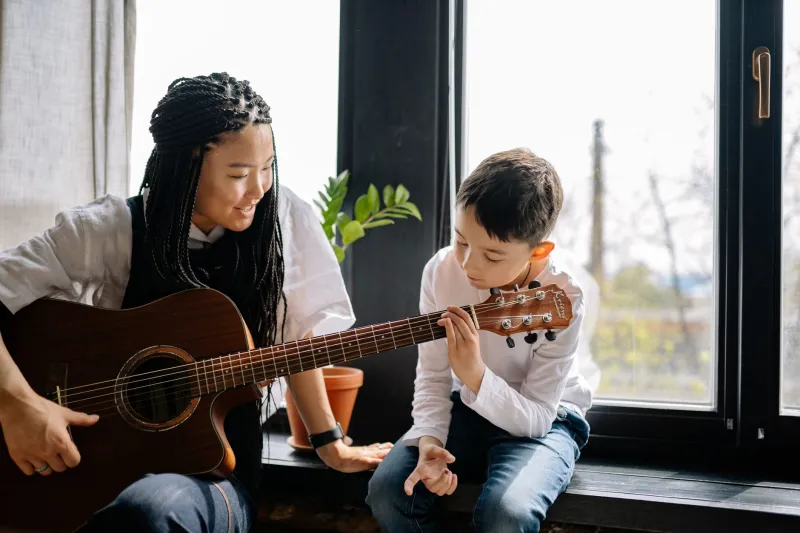
Two kids, two instruments, one house. In Raleigh, that combination can sound like a beautiful duet or like a weekly argument about who gets the living room first. The good news is that sibling practice tension is rarely about talent or fairness at its core. It is usually about predictability. When both children know where to practice, when to practice, and how the handoff works, the same space can stop feeling like contested territory and start feeling like a shared studio.
Start with a shared map, not a shared room
Before rearranging furniture or buying another music stand, make a simple weekly practice map. A whiteboard on the refrigerator or a shared note on the family tablet works fine. List each child by name, then block out practice windows in ten- to twenty-minute chunks. Younger beginners often do better with shorter, more frequent sessions, while older students may need a longer stretch for repertoire and warmups.
The key is to rotate the desirable slots. If one child always gets the after-school window before Raleigh traffic and evening activities take over, the other child will notice. Swap prime times every week or every two weeks. Also mark quiet practice options: keyboard with headphones, written theory, rhythm clapping, or listening to a recording. That way, one child can still make progress while the other has the room.
Treat the practice corner like a stage and a study hall
You do not need a dedicated music conservatory at home. A corner with a music stand, a sturdy chair, a small shelf for books, and good lighting is enough. But it helps to define the space clearly. When the timer starts, that corner belongs to the practicing child. Siblings can be nearby, but they are not the audience unless invited.
Try a simple setup ritual: clear the floor, tune or warm up, set the timer, and begin. At the end, the student resets the corner for the next person. This is not about military precision. It is about giving both children a visual cue that practice has a beginning, a middle, and an end. In smaller Raleigh apartments and townhomes, that predictability can matter as much as the square footage.
Noise control for Raleigh homes and apartments
Sound travels differently depending on where you live. An older Raleigh bungalow may have thin interior walls, while a newer apartment might carry piano bass notes straight into the hallway. You do not have to soundproof the house. You just need to soften the loudest edges and plan around them.
A few low-lift options include:
- A thick rug under the practice area to reduce floor vibration.
- Heavy curtains or a bookshelf against a shared wall to absorb some sound.
- Draft blockers or a rolled towel at the bottom of the practice room door.
- Headphones for digital keyboards, and practice mutes for brass or strings when appropriate.
- A friendly heads-up to neighbors if a trumpet, drum pad, or louder instrument is part of the routine.
Schedule the louder instrument earlier in the evening when possible, and save quiet listening or theory work for later slots. If both children play loud instruments, alternate days rather than stacking both sessions back-to-back. Your ears, your neighbors, and your patience will thank you.
Turn-taking rituals that lower the temperature
A visible timer is one of the most underrated tools in a musical household. It removes the parent from the role of timekeeper and referee. When the timer sounds, the student finishes the phrase, marks the practice log, and hands over the space. A simple handoff phrase can lighten the moment: soundcheck complete, stage is yours. It sounds a little silly, which is exactly why it works with young musicians.
Another helpful ritual is a two-minute sibling audience session once a week. One child plays a short piece or demonstrates a tricky measure while the other listens. The listener offers one specific compliment and one polite suggestion, or just applause. Keep it optional. Forced audience duty can backfire, especially if one child is shy or one instrument is much louder than the other.
Keep encouragement fair, not identical
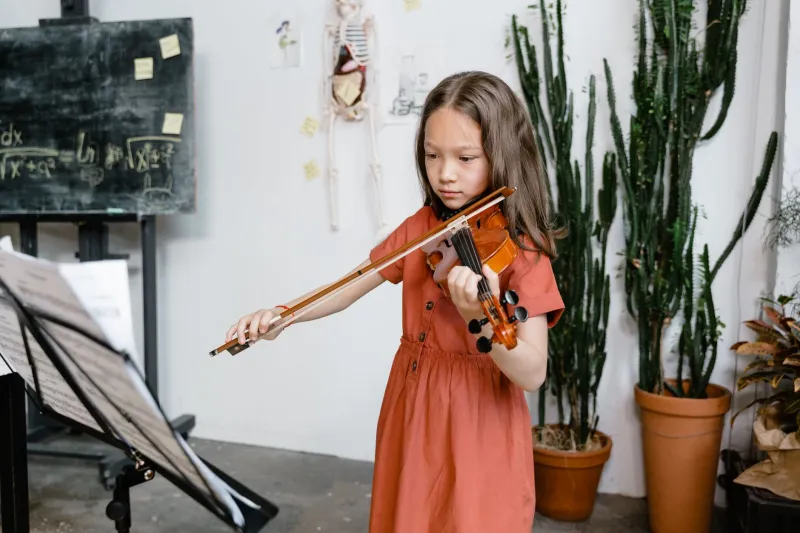
Equal encouragement does not mean identical praise. A beginning violinist and an intermediate pianist need different kinds of support. What matters is that both children feel seen. Avoid comparing progress out loud, even in a well-meaning way. Instead of saying that one child is catching on faster, name the effort you noticed: steady bow hold, better posture at the keyboard, fewer stops during a run-through.
Private praise is powerful, too. A quiet word after practice can mean more than a public cheer that accidentally turns into a scoreboard. If one child has a performance coming up, make space for that excitement without making the other child feel like a background musician. A small family concert at home can give both students a turn in the spotlight, even if one is playing a three-note piece and the other is playing a full sonatina.
Build a weekly sibling soundcheck
Set aside ten minutes once a week for a family soundcheck. Review the practice map, swap any slots that are not working, and choose one shared goal for the week. Maybe it is keeping the practice corner tidy, using headphones without being asked, or cheering for each other at a Saturday rehearsal. Keep the meeting short and practical. The goal is not family therapy. It is a quick tune-up before the week gets noisy.
At Raleigh Music Academy, we see plenty of siblings who eventually enjoy practicing near each other, even if they started out competing for the same ten square feet. The shift happens when the household stops asking who deserves the room and starts building a system that gives both musicians a predictable turn. Two kids, one practice space, and a little planning can turn a daily showdown into a shared routine—one that leaves room for progress, privacy, and the occasional victory lap.