Two Instruments, One Calendar: A Family Guide to Expanding Musical Study Without Overloading It
Adding a second instrument is one of those decisions that feels exciting in the first week and complicated by the third. A student hears a friend’s flute, a parent spots a sale on a digital piano, or an adult learner decides that voice lessons would be a nice complement to guitar. All of that is reasonable. The question is not whether a second instrument is a good idea in the abstract. It is whether this student, in this season, has the time, energy, and support to keep the first instrument moving while a new one asks for attention. This guide is for families and adult learners who want to explore without overcommitting.
The Allure of Instrument Number Two
A second instrument promises novelty. It offers a different sound, a new challenge, and a fresh identity as a musician. For kids, it can feel like a step up. For adults, it can feel like reclaiming a part of themselves they postponed. Those are healthy motivations. They are also the reasons second-instrument decisions go sideways: novelty fades, logistics remain, and the original instrument suddenly feels like homework.
The standard to aim for is not equal time on both instruments. It is steady progress on the first instrument and a realistic, sustainable relationship with the second. That may mean a short trial period, a lighter lesson schedule, or a deliberate choice to keep instrument number two as a casual side study for a season.
Readiness Signals That Matter More Than Enthusiasm
Enthusiasm is easy to spot and easy to overvalue. A better readiness check is how the student handles the first instrument on an ordinary Tuesday. Do they practice without a daily battle? Can they identify when something sounds off and try a fix before asking for help? Do they understand that progress comes in plateaus? Those habits suggest they can handle another learning curve.
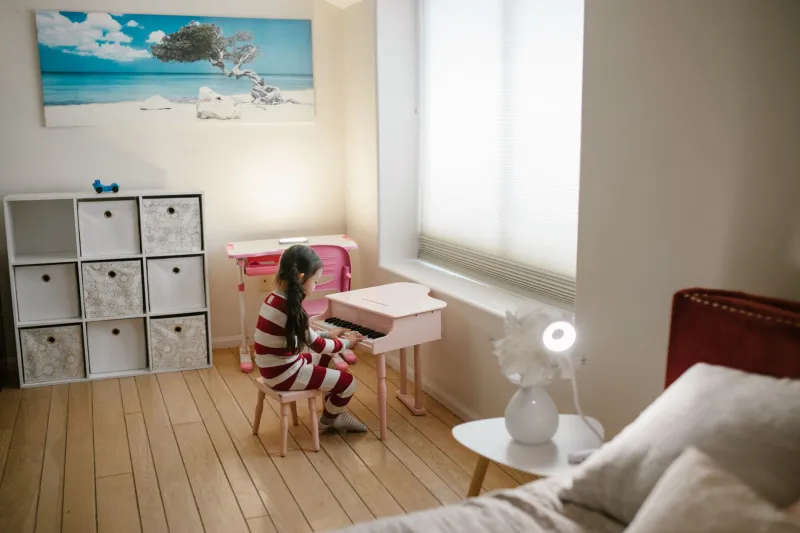
Other useful signs include reliable practice routines, a basic comfort with rhythm and reading, and the ability to finish a piece rather than abandoning it when it gets hard. Age matters less than maturity and support. A focused nine-year-old with a calm home practice setup may be more ready than a busy teenager with no predictable practice window.
Pairings That Make Sense — and Ones That Compete
Some instrument combinations reinforce each other. Piano and voice work well because the keyboard gives singers a visual pitch reference. Guitar and voice pair naturally for singer-songwriters. Violin and piano can support ear training and reading in different ways. Flute and piano, or clarinet and piano, are common school-band pairings that build musicianship without asking the hands and embouchure to learn two completely different techniques at once.
Other pairings compete directly. Starting trumpet and French horn together, for example, asks a young player to manage two demanding embouchure systems. Two bowed strings can also split bow-control practice in ways that slow both down. That does not make those combinations impossible. It simply means the family should expect a longer ramp-up and consider staggering the start dates.
The Calendar Math: Where the Minutes Actually Come From
Most families underestimate the calendar cost of a second instrument. Lessons are only part of it. There is practice time, instrument setup, travel, and the mental load of remembering two sets of materials. Before signing up, map out a normal week. Identify the existing practice blocks for the first instrument. Then ask where the second instrument’s practice will live.
A workable plan often looks like this: keep the first instrument’s routine intact, and give the second instrument two or three short sessions per week. Ten to fifteen minutes is enough at the start. Avoid the common mistake of borrowing time from the first instrument every day. That is how the original study starts to slide, and it is usually the first sign of overcommitment.
Budget Beyond the Instrument Itself
Instrument price is the headline, but the full cost includes lessons, accessories, music books, maintenance, and repairs. A used beginner violin may be affordable, but it still needs strings, a bow rehair eventually, and a case that protects it. A digital piano needs a stand, a bench, and possibly headphones. Woodwinds need reeds. Guitars need strings and setup.
Renting is often the smartest first move, especially for growing children or for adults who are testing a new interest. Set a monthly ceiling that includes lessons and upkeep, not just the purchase price. If the second instrument would make the family’s monthly music budget feel tight, that is useful information. It may mean waiting a semester or choosing a lower-cost entry point.
Burnout Warning Signs
Watch for dread before practice, frequent skipped sessions, dropping quality on the first instrument, and a sudden reluctance to talk about music. Sleep changes, school stress, and a packed activity schedule can all masquerade as instrument problems. If the student is consistently tired or irritable around practice, the issue may be the calendar, not the instrument.
For adult learners, burnout can look like perfectionism. The adult who adds a second instrument and then expects rapid progress on both is setting up a no-win comparison. A better approach is to name the second instrument as exploratory for a set period. That lowers the stakes and protects the joy.
A Trial Period That Keeps Everyone Honest
Try an eight- to twelve-week trial before making a long-term commitment. Set a clear review date. During the trial, keep the first instrument’s practice routine stable and cap the second instrument at two or three short sessions per week. At the review, ask three questions: Is the first instrument still moving forward? Is the second instrument adding energy or draining it? Is the family calendar still workable?
If the answers are mixed, adjust rather than quit. Maybe the second instrument becomes a monthly lesson instead of weekly. Maybe it pauses until summer. Maybe it stays as a fun side project with no performance expectations. The goal is honest feedback, not a binary pass-fail verdict.
When to Wait
Wait if the first instrument is in a fragile season, if the family is already stretched thin, or if the student is about to start a demanding school term. Wait if the only reason to add a second instrument is a sale or a friend’s excitement. Waiting is not a lack of ambition. It is a scheduling decision that protects the progress already underway.
The Steady-Progress Standard
A second instrument can be a wonderful addition to a musical life. It can broaden a student’s ear, open up ensemble options, and keep practice feeling fresh. But it works best when the first instrument remains the anchor. Keep the routines simple, review the calendar honestly, and measure success by steady progress rather than by how many instruments are in the house. That is how families in Raleigh and beyond can explore a second study without turning a joyful hobby into another source of pressure.